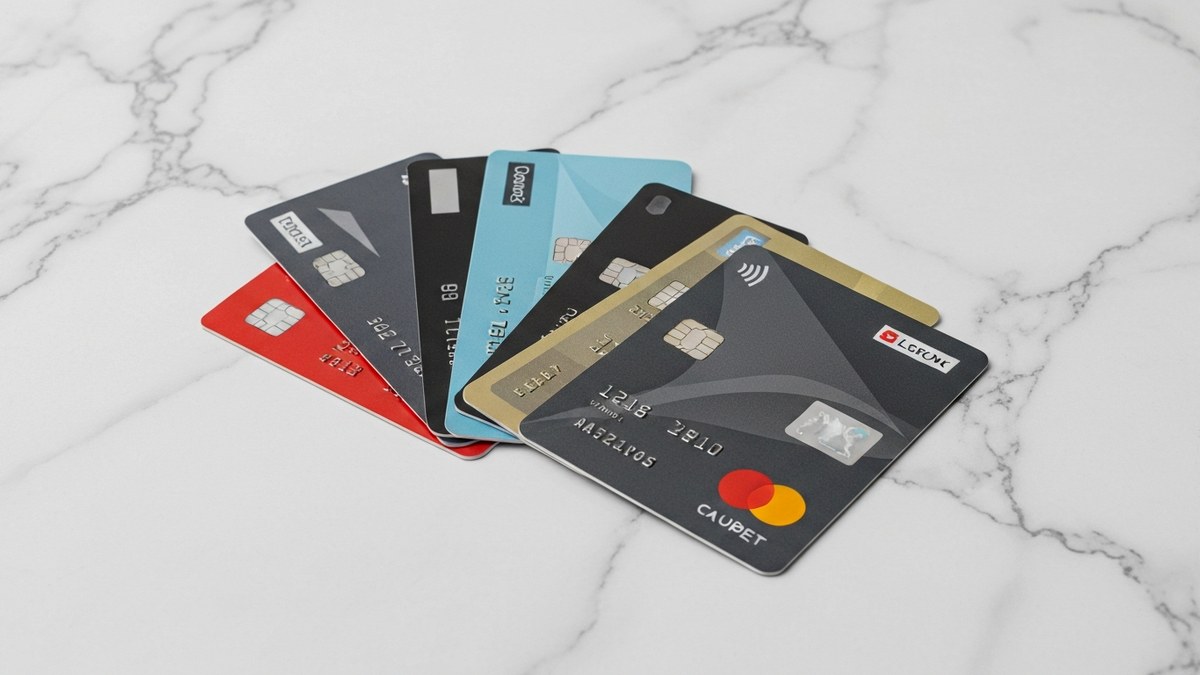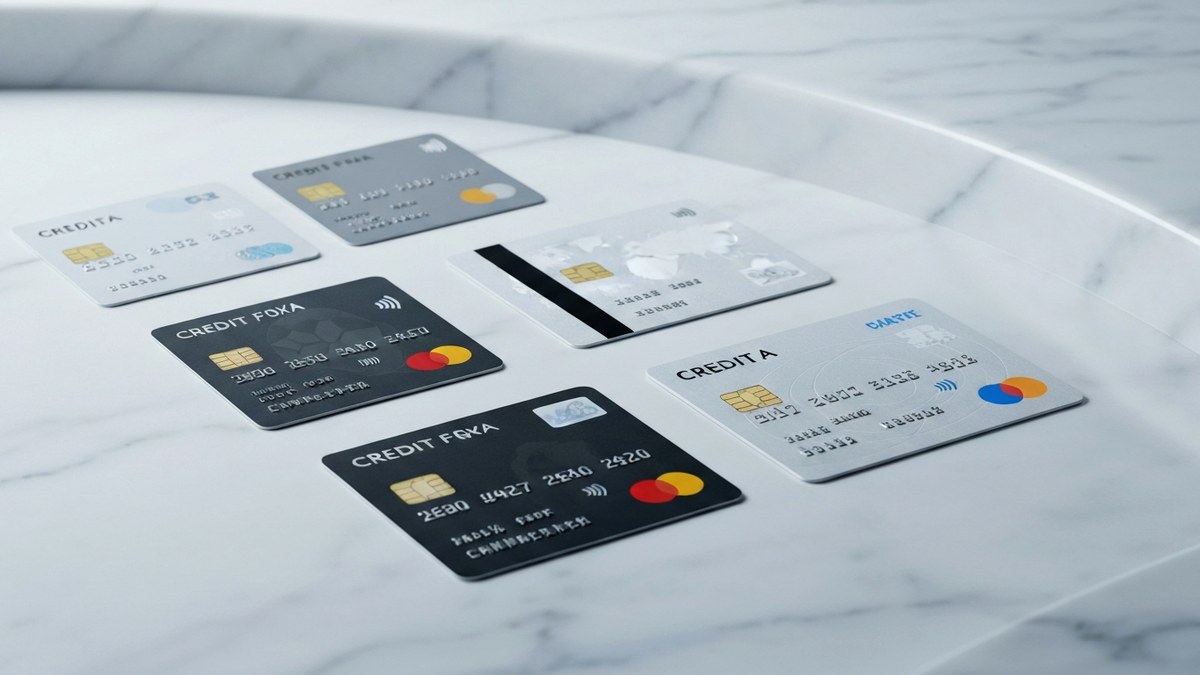
In the dynamic world of personal finance, a credit card is far more than just a piece of plastic; it's a sophisticated financial instrument capable of unlocking significant value, building robust credit, and enhancing your purchasing power. As we cast our gaze towards 2026, the landscape of credit card offerings continues to evolve, presenting both unparalleled opportunities and complex choices for American adults aged 25-45 navigating their financial journey. The key isn't merely owning a credit card, but strategically selecting the best credit cards USA 2026 has to offer, aligning them perfectly with your unique spending patterns, financial aspirations, and credit profile.
The dawn of 2026 promises innovations in rewards structures, enhanced digital integration, and a continued focus on personalized user experiences. Whether you're aiming to maximize cashback on everyday purchases, fund your next international adventure with travel points, consolidate high-interest debt, or diligently build your credit foundation, understanding the nuanced offerings is paramount. This expert guide will cut through the noise, providing a clear roadmap to selecting the credit cards that will serve your financial interests best in the years to come.
Choosing Your Perfect Plastic Partner: Key Considerations for 2026
Before diving into specific recommendations, a self-assessment is crucial. The "best" credit card is inherently subjective, dependent on several personal financial factors:
- Your Credit Score: This is the gatekeeper. Excellent (740-850), Good (670-739), Fair (580-669), or Poor (300-579) will determine which cards you qualify for. Aim to know your score before applying.
- Spending Habits: Where do you spend most? Groceries, dining, travel, online shopping? Cards are optimized for different categories.
- Financial Goals: Are you saving for a down payment, planning a major trip, paying off debt, or simply want to earn rewards?
- Annual Fees: Can you justify a fee (often $95-$550+) with the benefits received? Many excellent cards have $0 annual fees.
- APR (Annual Percentage Rate): While ideally you'll pay your balance in full, understanding the variable purchase APR (typically 18% to 29%+) is critical for those who carry a balance. Look for 0% introductory APR offers if needed.
- Sign-Up Bonuses: A significant lump sum of rewards (e.g., $200 cashback or 50,000 points) can be a powerful incentive, but ensure you can meet the spending requirements responsibly (e.g., spend $1,000 in the first 3 months).
Top Credit Card Categories for 2026
The credit card market is segmented to cater to diverse needs. Here are the categories most relevant for the discerning American consumer in 2026:
Best for Maximizing Cash Back Rewards
Cash back cards remain incredibly popular for their straightforward value. In 2026, expect continued innovation in tiered rewards and personalized bonus categories.
- The Everyday Spender's Choice: Look for cards offering a flat 2% cash back on all purchases, or 5% on rotating categories (up to a quarterly cap, e.g., $1,500 spent), and 1% on everything else. A common sign-up bonus might be $200 after spending $500 in the first three months, with a $0 annual fee. These cards are ideal for those who prefer simplicity and tangible savings directly back into their pockets.
- The Grocery & Gas Optimizer: Many cards will continue to offer enhanced rewards in specific high-frequency spending categories. Expect cards providing 3-4% cash back on groceries (up to a spending limit, like $6,000 annually) and 2-3% on gas. These often come with a $0 annual fee and a modest sign-up bonus, perfect for families and commuters.
Best for Adventurous Travelers
Travel cards are designed for those who frequently fly, stay in hotels, or dream of their next vacation. In 2026, expect more flexible redemption options and enhanced travel protections.
- The Mid-Tier Explorer: Cards in this segment typically offer 2-3x points on travel and dining, and 1x on other purchases. A robust sign-up bonus of 50,000-75,000 points (worth $500-$750 in travel) after meeting a spend threshold (e.g., $4,000 in 3 months) is common. Annual fees usually range from $95-$125, often offset by benefits like travel credits, no foreign transaction fees, and primary car rental insurance.
- The Premium Jet-Setter: For the frequent, luxury traveler, cards with annual fees upwards of $400-$600 are justified by extensive perks. These include airport lounge access, annual travel credits (e.g., $300), 5x points on flights booked directly with airlines or hotels, elite status upgrades, and comprehensive travel insurance. A typical sign-up bonus could be 80,000-100,000 points, potentially worth $1,000+ when redeemed strategically.
Best for Debt Consolidation and Large Purchases
For individuals looking to manage existing debt or finance a significant upcoming expense without accruing immediate interest, 0% introductory APR cards are invaluable.
- The Balance Transfer Lifeline: These cards offer an introductory 0% APR on balance transfers for an extended period, typically 15-21 months. A balance transfer fee (usually 3-5% of the transferred amount) is standard. After the introductory period, a variable APR (e.g., 18.24%-28.24%) applies. The goal is to pay off the transferred balance entirely before the promotional period ends, saving potentially hundreds or thousands in interest. Most come with a $0 annual fee.
- The New Purchase Buffer: Similar to balance transfer cards, some offer 0% introductory APR on new purchases for 12-18 months. This can be ideal for financing a large purchase (e.g., new appliances, medical expenses) without incurring interest, provided you can pay it off within the promotional window. Again, expect a $0 annual fee and a variable APR post-introductory period.
Best for Building or Rebuilding Credit
For younger adults starting their credit journey or those recovering from past financial missteps, building a positive credit history is paramount. These cards are designed for accessibility and growth.
- Secured Credit Cards: These require a security deposit (e.g., $200-$2,500) that typically matches your credit limit. They report to major credit bureaus, allowing you to build a positive payment history. Many offer a path to upgrade to an unsecured card after 6-12 months of responsible use. Annual fees are often $0-$39. This is an excellent starting point for those with limited or poor credit.
- Student Credit Cards: Tailored for college students, these cards often have lenient approval requirements, $0 annual fees, and modest rewards (e.g., 1-2% cash back on specific categories). They help establish credit early, often with small credit limits (e.g., $500-$1,500).
Beyond the Rewards: Responsible Credit Card Use in 2026
Possessing the right credit card is only half the battle; using it wisely is the other. In 2026, responsible financial habits will remain the bedrock of credit health:
- Pay Your Bill in Full, On Time: This is the golden rule. Avoids interest charges and late fees, and is the single most impactful factor on your credit score (35% of FICO score).
- Keep Your Credit Utilization Low: Aim to use less than 30% of your available credit across all cards. For example, if your total credit limit is $10,000, try to keep your combined balances below $3,000. Lower is always better.
- Monitor Your Credit: Regularly check your credit report for errors and fraud. Services often provide free credit scores and monitoring alerts.
- Understand the Fine Print: Always read the terms and conditions, especially regarding APRs, fees, and reward redemption rules.
Navigating the Application Process
Applying for credit cards strategically can prevent unnecessary dings to your credit score.
- Check Your Eligibility: Many card issuers offer pre-qualification tools that allow you to see if you're likely to be approved without a hard inquiry on your credit report.
- Apply Selectively: Avoid applying for too many cards in a short period, as each application results in a hard inquiry that can temporarily lower your score.
- Be Honest: Provide accurate financial information on your application.
The Future of Credit Cards: What to Expect in 2026 and Beyond
The credit card industry is not static. Looking ahead to 2026, we anticipate several trends:
- Hyper-Personalization: AI and machine learning will likely lead to even more tailored card offers and dynamic reward structures based on individual spending patterns.
- ESG Integration: Expect to see more cards with features tied to environmental, social, and governance (ESG) factors, such as donations to charities with every purchase or carbon footprint tracking.
- Digital Wallet Dominance: Seamless integration with mobile payment platforms and enhanced digital security features will be standard.
- Embedded Finance: Credit card functionalities may become more deeply embedded within other financial apps and services, offering instant credit at the point of need.
Conclusion
The quest for the best credit cards USA 2026 offers is an exciting one, full of potential for financial optimization and reward. By carefully assessing your financial profile, understanding the diverse offerings across various categories, and committing to responsible usage, you can transform your credit cards into powerful allies in achieving your financial goals. Don't let the multitude of options overwhelm you; instead, empower yourself with knowledge. Research, compare, and choose wisely, and you'll be well-positioned to leverage the evolving credit card landscape to your maximum advantage. Start exploring today to secure your financial future.