In an era dominated by seamless digital payments, where a tap or a swipe can instantly fulfill a desire, many Americans find themselves adrift in a sea of invisible spending. Debit cards, credit cards, and mobile wallets offer unparalleled convenience, but they often obscure the true impact of our purchases, leading to budget blowouts, mounting debt, and persistent financial stress. If you've ever wondered where your paycheck mysteriously vanishes between paydays, or struggled to rein in discretionary spending, the solution might lie in a surprisingly old-school, yet profoundly effective, method: the cash envelope system.
Far from being a relic of a bygone era, this tangible budgeting approach is experiencing a significant resurgence among those seeking genuine financial control. It's a system that forces intentionality, transforms abstract numbers into concrete limits, and empowers you to make every dollar count. For American adults aged 25-45, navigating student loans, mortgages, family expenses, and the ever-present temptation of consumerism, the cash envelope system offers a clear path to financial clarity and freedom.
What Exactly is the Cash Envelope System?
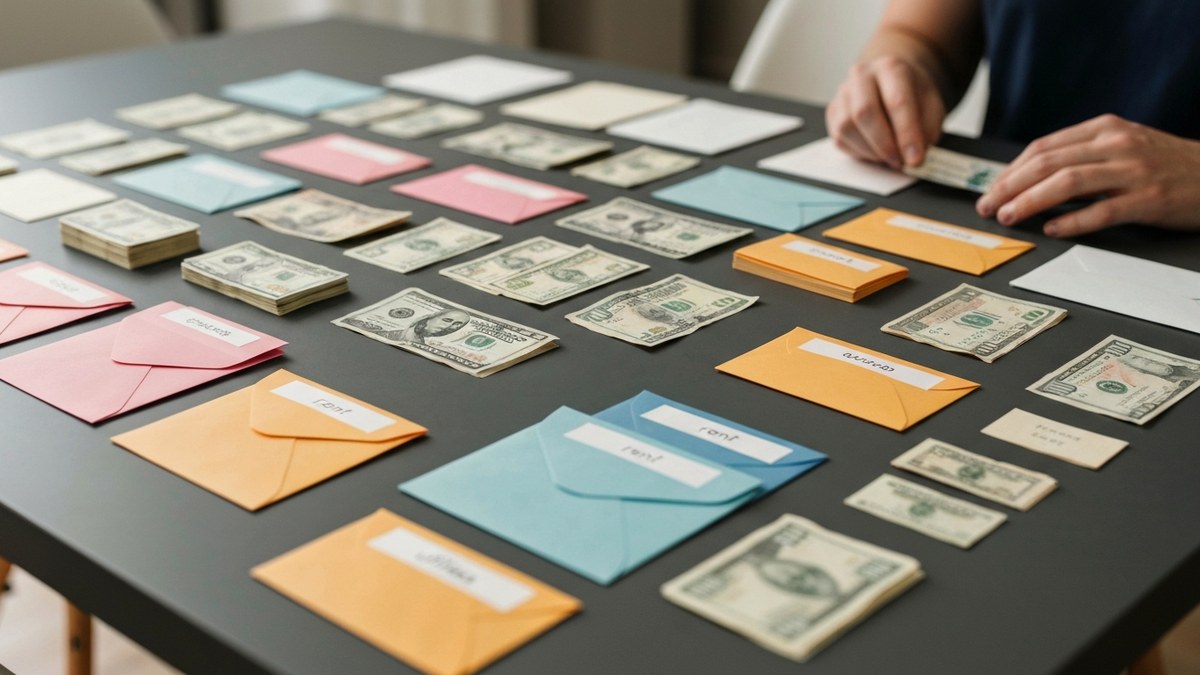
At its core, the cash envelope system is disarmingly simple. Instead of relying on debit or credit cards for variable expenses, you withdraw physical cash for specific budget categories at the start of each budgeting period (typically weekly, bi-weekly, or monthly). This cash is then divided and placed into separate, clearly labeled envelopes, each designated for a particular spending area such as "Groceries," "Dining Out," "Entertainment," or "Fuel."
Once the cash in an envelope is gone, it's gone. You cannot spend any more money from that category until the next funding cycle. This creates an immediate, undeniable physical barrier to overspending, a stark contrast to the often limitless feel of a credit card.
Why Go Analog in a Digital World? The Psychological Edge
The power of the cash envelope system isn't just in its simplicity; it's rooted deeply in behavioral economics and psychology. Research has consistently shown that spending physical cash feels different than using plastic:
- The "Pain of Paying": Studies, like those from MIT, suggest that paying with cash creates a more visceral "pain" or emotional cost than swiping a card. This discomfort makes us more mindful of each transaction and less likely to make impulse purchases.
- Visible Limits: When you see a stack of twenties diminishing with each purchase, the finite nature of your funds becomes incredibly clear. There's no escaping the reality of your budget. This visual feedback loop is a powerful deterrent to overspending.
- Reduced Impulse Buys: Without the instant gratification of a card, you're forced to pause and consider if a purchase truly aligns with your budget and needs. Many users report a 30-50% reduction in impulse spending almost immediately.
- Enhanced Financial Awareness: Handling cash makes you more intimately aware of where your money is going. You're physically counting it out, making the connection between your labor and your purchases much stronger.
Is the Cash Envelope System Right for You?
While universally applicable, the cash envelope system tends to be particularly transformative for certain individuals:
- Chronic Overspenders: If your bank account balance consistently hovers near zero before your next paycheck, or if you frequently carry credit card debt due to discretionary spending, this system can be a game-changer.
- Those Struggling with Digital Budgets: Many find budgeting apps and spreadsheets helpful, but still struggle with the actual execution. The physical nature of envelopes provides a tangible accountability layer.
- Individuals Paying Off Debt: By aggressively controlling variable spending, you free up more capital to allocate towards debt repayment, accelerating your journey to being debt-free.
- Anyone Seeking Greater Financial Clarity: Even if you're not in dire straits, the system offers a profound understanding of your spending habits and where your money truly goes.
It's important to acknowledge potential drawbacks, such as security concerns (carrying large amounts of cash) and the inconvenience of not being able to earn credit card rewards. However, with thoughtful implementation, these can be mitigated.
Your Step-by-Step Guide to Implementing the Cash Envelope System
Ready to take control? Here's how to set up your own cash envelope system for lasting financial change.
Step 1: Assess Your Financial Landscape
Before you even think about cash, you need a clear picture of your current finances.
- Track Your Spending: For at least 30 days, meticulously track every dollar you spend. Use a budgeting app, a spreadsheet, or even a notebook. This step is crucial for understanding your actual habits, not just your perceived ones.
- Calculate Your Monthly Income: Determine your net income (take-home pay) after taxes and deductions. This is the total amount you have available to budget.
- List Fixed Expenses: Identify all your non-negotiable monthly bills: rent/mortgage, loan payments (student, auto), insurance premiums, subscriptions (Netflix, gym), utilities (though some fluctuate).
Step 2: Define Your Budget Categories
Based on your spending assessment and fixed expenses, identify your variable spending categories. These are the areas where the cash envelope system will shine. Common categories include:
- Groceries
- Dining Out / Takeout
- Fuel / Transportation
- Entertainment / Hobbies
- Personal Care (haircuts, toiletries)
- Clothing
- Miscellaneous (unexpected small purchases, gifts)
- Household Supplies
As a guideline, consider the 50/30/20 rule: 50% of your income for Needs (fixed expenses + essential variable like groceries), 30% for Wants (dining out, entertainment), and 20% for Savings & Debt Repayment. This can help you allocate funds realistically.
Step 3: Allocate Funds and Withdraw Cash
Subtract your fixed expenses from your net income. The remaining amount is what you'll distribute among your cash envelopes. Based on your budget categories and your spending history, assign a specific dollar amount to each envelope.
- Example: If you budget $400 for groceries, $200 for dining out, and $150 for entertainment for the month, you'll withdraw $750 in total.
- Timing: Most people find it easiest to withdraw cash at the beginning of their budgeting cycle (e.g., on payday). For bi-weekly paychecks, you might fund half your monthly envelopes every two weeks, or fund weekly envelopes each week.
Step 4: Label Your Envelopes
Use simple, clear labels for each envelope. You can use physical envelopes, dedicated wallet systems, or even small accordion folders. The key is clear identification.
Step 5: Spend Wisely and Track Diligently
This is where the rubber meets the road. When you need to buy groceries, take cash only from your "Groceries" envelope. When you go out to eat, use cash only from your "Dining Out" envelope.
- No Borrowing: The golden rule of the cash envelope system is never to "borrow" from another envelope. If your "Entertainment" envelope is empty, then your entertainment budget for the period is exhausted. This forces tough, but necessary, choices.
- Handling Leftover Cash: What happens if you have cash left in an envelope at the end of the budgeting period? You have options:
- Roll it over to the next month for that same category.
- Move it to a savings goal (e.g., emergency fund, vacation fund).
- Use it to pay down debt.
Step 6: Review and Adjust
At the end of your first month (or budgeting cycle), review your progress. Did you run out of money too quickly in one category? Did another category have a significant surplus? The first few cycles are often about trial and error. Don't be discouraged if you need to adjust your allocations. Budgeting is an iterative process, and flexibility is key to long-term success.
Beyond the Basics: Tips for Success and Overcoming Challenges
- Security First: Don't carry all your envelopes or a large amount of cash with you unless absolutely necessary. Keep most of your cash in a secure place at home, only taking out what you need for planned outings.
- Online Purchases: This is a common challenge. For online buys, you still budget for them. When you make an online purchase that falls into a cash envelope category (e.g., clothes), physically remove the equivalent cash from that envelope and either deposit it back into your bank account or move it to a "digital spending" envelope. This maintains the integrity of the system.
- Partner Involvement: If you share finances, it's crucial for both partners to be on board and understand the system. Discuss categories, allocations, and rules together.
- Hybrid Approach: You don't have to go 100% cash for everything. Many users continue to use cards for fixed bills (rent, utilities) and larger, less frequent purchases where rewards or security are beneficial. The cash envelope system is most effective for those variable, discretionary spending categories.
- Emergency Fund: Always maintain an emergency fund in your bank account, separate from your envelopes, for true emergencies. The envelopes are for budgeted variable spending, not unexpected crises.
Embrace Financial Freedom
The cash envelope system is more than just a budgeting tool; it's a paradigm shift in how you interact with your money. It strips away the abstract nature of digital transactions and replaces it with tangible limits, fostering a profound sense of awareness and control. For American adults navigating complex financial landscapes, this simple, yet powerful, method can be the key to breaking free from the cycle of overspending, accelerating debt repayment, and building a solid foundation for financial freedom.
Don't let the simplicity fool you; its impact is profound. Take the first step today: assess your spending, set your categories, and embrace the power of physical cash. Your future self, with a healthier bank account and significantly less financial stress, will thank you.