In a world brimming with instant gratification and endless consumption options, the concept of financial discipline often feels like a stern, joy-killing taskmaster. Yet, for millions of American adults aged 25 to 45 navigating careers, families, and aspirations, it's not a punishment—it's the superpower that unlocks real freedom. It's the difference between perpetually feeling behind and confidently building a future where your money works for you, not against you.
Think about it: have you ever felt the creeping anxiety of an unexpected bill, or the frustration of seeing your bank balance dwindle despite a steady income? That's often a sign that financial discipline is missing from your toolkit. But what exactly is it, and how can you cultivate it to achieve not just stability, but genuine prosperity?
The Foundation of Financial Discipline: Why It Matters Now More Than Ever
Financial discipline isn't about deprivation; it's about intentionality. It's the consistent practice of managing your money in alignment with your long-term goals. In an economy marked by fluctuating markets, rising costs, and the siren song of consumer debt, a disciplined approach is your most powerful defense and your most effective offense.
For individuals in their prime earning and spending years, establishing this discipline now can compound into immense wealth and security later. It means less stress, more options, and the ability to weather life's inevitable storms without derailing your progress.
Defining Your "Why"
Before diving into specific financial discipline tips, you must identify your personal "why." What are you working towards? Is it buying a first home, paying off student loans, saving for a child's education, starting a business, or retiring comfortably by 60? Clearly defining these goals transforms abstract financial concepts into tangible motivations. Write them down, visualize them, and let them be the fuel for your disciplined actions. Without a clear destination, any financial road will do, and that often leads nowhere fast.
Core Pillars: Actionable Steps to Build Momentum
The journey to financial discipline is built on a series of consistent, actionable steps. Here are the fundamental pillars that will help you gain control and start seeing real results.
Master Your Budget, Don't Let It Master You
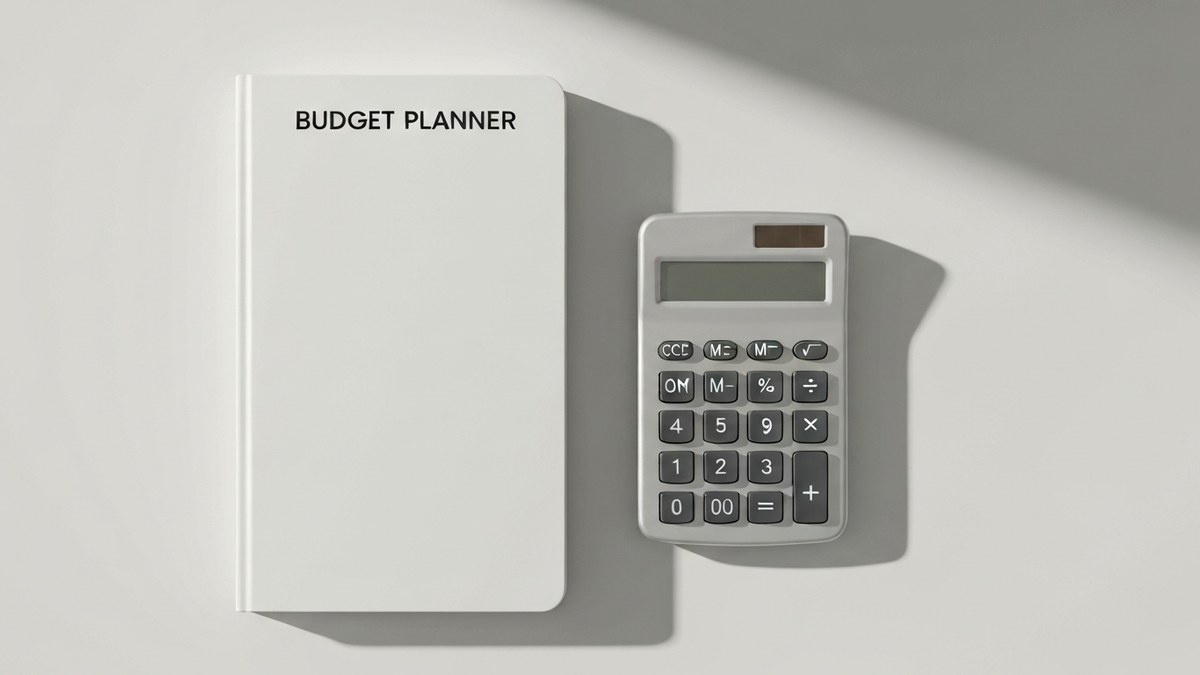
Budgeting isn't about restricting yourself; it's about empowering yourself through awareness. It's the roadmap for your money, showing you exactly where every dollar goes and where it could go. Many people resist budgeting because it feels limiting, but a well-designed budget provides freedom by aligning your spending with your values and goals.
- Implement the 50/30/20 Rule: A popular and flexible budgeting framework suggests allocating 50% of your after-tax income to Needs (housing, utilities, groceries, transportation, insurance), 30% to Wants (dining out, entertainment, hobbies, vacations), and 20% to Savings & Debt Repayment (emergency fund, investments, extra debt payments). This simple structure provides clear guidelines without excessive rigidity.
- Track Every Dollar: Whether you use a spreadsheet, a budgeting app like Mint or YNAB, or simply pen and paper, knowing exactly where your money goes is paramount. Do this for at least one month to identify spending patterns and areas where you can optimize. You might be surprised to find you're spending 15% of your income on subscriptions you barely use or daily coffees that add up to hundreds of dollars annually.
Automate Your Savings and Investments
One of the most powerful financial discipline tips is to remove the human element of decision-making from your savings and investments. The principle of "pay yourself first" is non-negotiable for wealth building.
- Set Up Automatic Transfers: Schedule automatic transfers from your checking account to your savings and investment accounts on your payday. Aim to save at least 15-20% of your gross income. Even starting with $50 or $100 per paycheck can build significant momentum.
- Maximize Your Employer's 401(k) Match: This is often described as "free money" because your employer contributes to your retirement account based on your contributions. If your company offers a 100% match on the first 3-6% of your salary, ensure you're contributing at least enough to get that full match. Missing out is leaving guaranteed returns on the table.
- Automate Roth IRA Contributions: If you're eligible, a Roth IRA offers tax-free growth and withdrawals in retirement. Set up automatic monthly contributions to consistently build this valuable asset.
Conquer Debt Strategically
High-interest debt, particularly credit card debt (which can carry interest rates from 18% to 25% or even higher), is a significant drain on your financial resources and a major obstacle to wealth accumulation. Disciplined debt repayment is crucial.
- Debt Avalanche vs. Debt Snowball:
- Debt Avalanche: Focus on paying off debts with the highest interest rates first. This method saves you the most money in interest over time.
- Debt Snowball: Prioritize paying off your smallest debt balances first, regardless of interest rate. The psychological wins of quickly eliminating debts can provide powerful motivation to keep going.
- Consolidate or Refinance: Explore options like balance transfer credit cards with 0% APR introductory periods or personal loans to consolidate high-interest debts into a single payment with a lower interest rate. This can simplify repayment and reduce your overall interest burden.
Advanced Strategies for Sustained Financial Health
Once the core pillars are in place, you can layer on more sophisticated strategies to solidify your financial future.
Build a Robust Emergency Fund
An emergency fund is your financial safety net, designed to cover unexpected expenses like job loss, medical emergencies, or major home/car repairs without resorting to debt. This is perhaps one of the most critical financial discipline tips.
- Goal: 3-6 Months of Essential Expenses: Aim to save enough to cover 3 to 6 months of your non-negotiable living expenses. If your essential monthly expenses are $3,000, your target emergency fund should be between $9,000 and $18,000.
- Keep it Accessible but Separate: Store your emergency fund in a high-yield savings account, separate from your everyday checking account. This keeps it readily available but out of sight and out of mind for impulse spending.
Practice Mindful Spending and Delay Gratification
In our consumer-driven society, it's easy to fall into the trap of impulse buying or keeping up with the Joneses. Financial discipline requires a conscious effort to differentiate between needs and wants and to practice delayed gratification.
- Implement the "30-Day Rule": For any non-essential purchase over a certain dollar amount (e.g., $100-$200), commit to waiting 30 days before buying it. Often, the urge to purchase will pass, saving you money and preventing buyer's remorse.
- Question Every Purchase: Before buying something, ask yourself: "Do I truly need this, or do I just want it? Does this purchase align with my financial goals?" This simple habit can dramatically curb unnecessary spending.
Regular Financial Check-ups and Adjustments
Your financial life is dynamic, not static. Life changes—income increases, expenses shift, new goals emerge. Therefore, your financial plan needs regular review and adjustment.
- Schedule Quarterly or Semi-Annual Reviews: Block out time every few months to review your budget, track your progress toward goals, assess your investments, and check your credit report.
- Adjust as Needed: If your income changes, your family situation evolves, or you achieve a specific goal, adjust your budget and savings plan accordingly. For instance, a raise might mean increasing your retirement contributions by an extra 2% or directing more towards debt repayment.
Overcoming Obstacles: Staying the Course
Financial discipline isn't a one-time decision; it's an ongoing commitment. There will be setbacks, temptations, and moments of discouragement. The key is to develop resilience and strategies to stay on track.
The Power of Accountability and Education
- Find an Accountability Partner: Share your financial goals with a trusted partner, friend, or family member. Discussing your progress and challenges can provide motivation and a fresh perspective.
- Educate Yourself Continuously: Read personal finance blogs (like NovePost.com!), books, listen to podcasts, and consider consulting a fee-only financial advisor. The more you learn, the more confident and capable you'll become in managing your money.
Celebrate Small Wins
Financial discipline can feel like a long marathon. Acknowledge and celebrate your progress along the way. Did you pay off a credit card? Did you hit your emergency fund goal? Did you consistently stick to your budget for three months? These small victories are crucial for maintaining motivation and reinforcing positive habits.
Conclusion: Your Financial Future Awaits
Financial discipline is not about being perfect; it's about being persistent. It's about making conscious choices today that will profoundly impact your freedom and security tomorrow. By consistently applying these financial discipline tips—mastering your budget, automating savings, strategically tackling debt, building an emergency fund, and regularly reviewing your plan—you transform abstract goals into tangible realities.
Don't wait for a crisis to force your hand. Start today, even with one small step. Open a separate savings account, review your last three months of spending, or set up a recurring transfer. Your future self, living with less financial stress and more opportunities, will thank you for the discipline you cultivated now. The power to shape your financial destiny is in your hands—it simply requires the discipline to wield it.