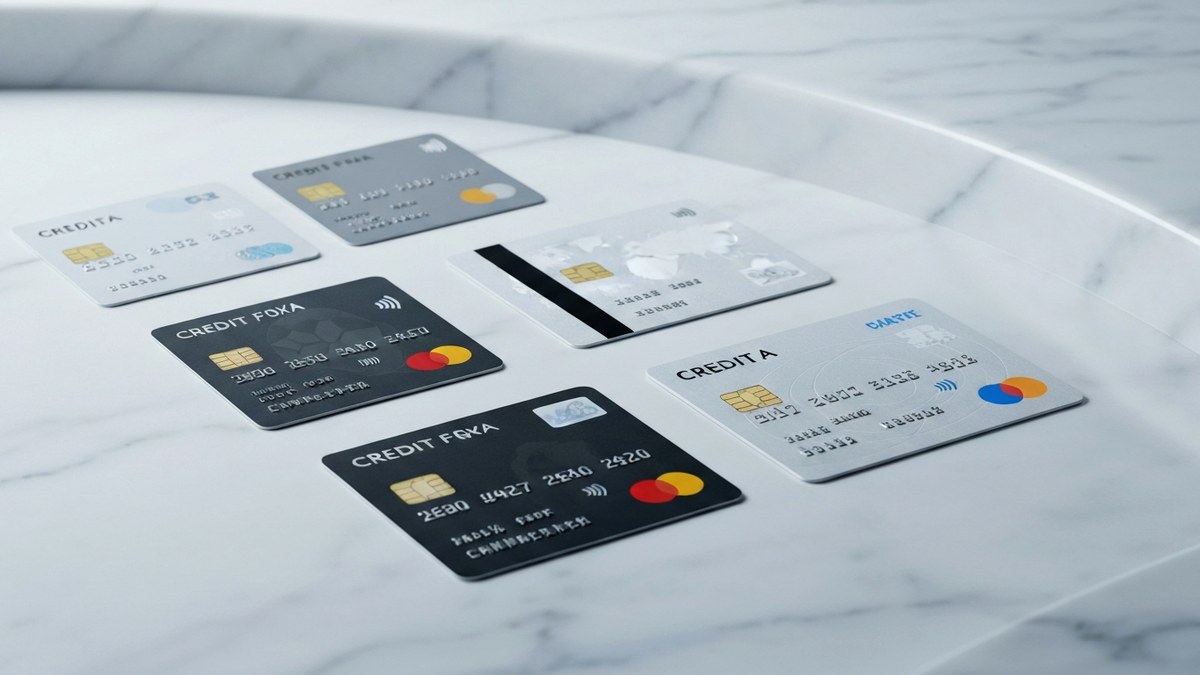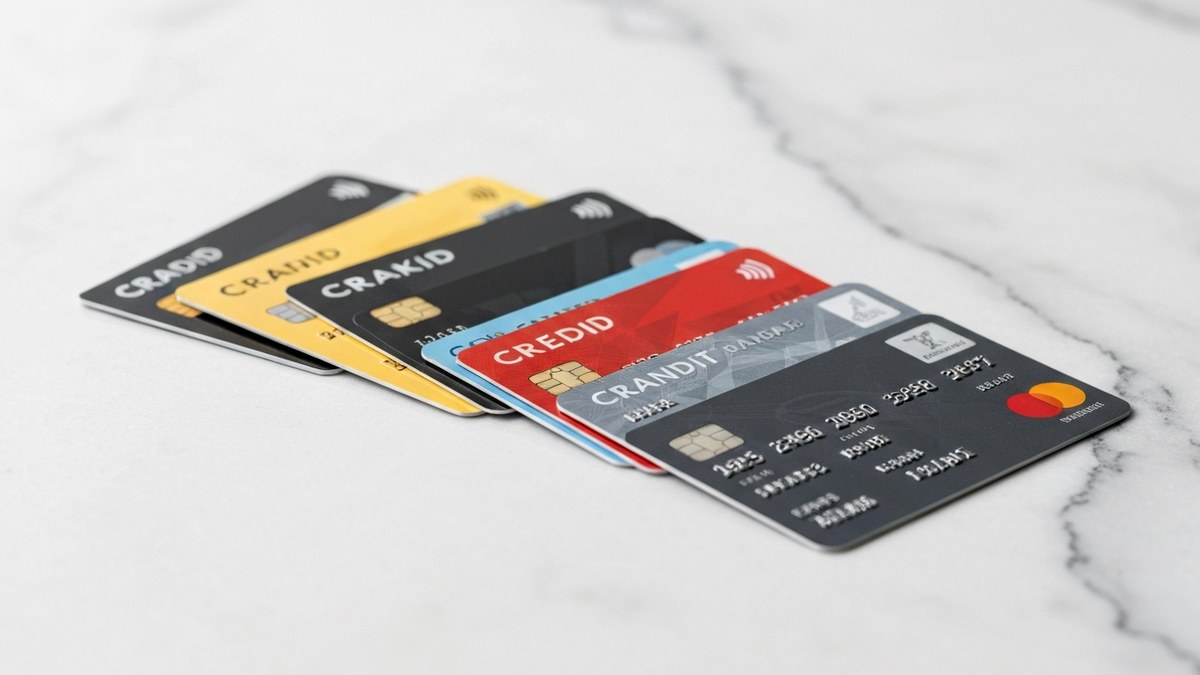
The credit card. For many, it's a symbol of financial freedom; for others, a source of anxiety. But for every American adult navigating their financial journey, understanding this powerful tool is not just beneficial—it's essential. If you're aged 25-45 and contemplating your first foray into the world of credit, or simply looking to demystify the process, this beginner credit card guide USA edition is for you. Forget the myths and the fear; a credit card, used wisely, is one of the most effective instruments for building a robust financial future.
Why Your First Credit Card Matters
In a society increasingly reliant on credit scores for everything from apartment rentals to interest rates on car loans and mortgages, establishing a positive credit history is non-negotiable. Your first credit card is often the cornerstone of that history.
Building Your Financial Foundation
A credit card isn't just for spending; it's a mechanism for demonstrating your ability to borrow and repay money responsibly. Each on-time payment you make contributes positively to your credit report, which in turn influences your FICO Score – the most widely used credit scoring model. FICO Scores range from 300 to 850, and a higher score unlocks better financial opportunities. Lenders look at several factors, but payment history accounts for a significant 35% of your FICO Score, making your first credit card a critical tool for building a strong foundation.
The Safety Net You Didn't Know You Needed
Beyond building credit, a credit card offers a crucial layer of financial protection. In emergencies, it can provide immediate access to funds, bridging gaps until other resources become available. Many cards also come with fraud protection, zero liability policies, and extended warranties on purchases, offering safeguards that debit cards often lack.
Choosing Your First Card: What to Look For
The market is saturated with credit card options, which can be overwhelming. As a beginner, your focus should be on accessibility and responsible credit building, not necessarily premium rewards.
Secured vs. Unsecured: Understanding the Entry Points
- Secured Credit Cards: These are often the best starting point for individuals with no credit history. You provide a refundable security deposit (e.g., $200-$500), which typically becomes your credit limit. This deposit minimizes risk for the lender, making approval easier. After 6-12 months of responsible use, many secured cardholders can graduate to an unsecured card and get their deposit back.
- Student Credit Cards: If you're currently enrolled in college, student cards are designed for those with limited credit history. They often have lower credit limits and may offer modest rewards or benefits tailored to students.
- Unsecured Credit Cards for Beginners: Some banks offer "starter" unsecured cards that don't require a deposit. These may have stricter approval criteria or slightly higher APRs and often come with fewer perks. Look for cards from the bank where you already have a checking or savings account, as they may be more willing to approve you.
Decoding the Fine Print: Fees, APR, and Rewards
When evaluating potential cards, pay close attention to these key terms:
- Annual Fee: For your first card, it's generally best to opt for a card with no annual fee. You're trying to build credit, not incur unnecessary costs.
- Annual Percentage Rate (APR): This is the interest rate you'll pay on balances carried over from month to month. For beginners, APRs can range from 18% to 25% or even higher. While important, if you commit to paying your balance in full every month, the APR becomes largely irrelevant.
- Rewards Programs: While enticing, don't make rewards the primary driver for your first card. Basic cards might offer 1% cash back on all purchases, which is a nice bonus but secondary to establishing good credit. Avoid complex reward structures until you're comfortable with credit management.
- Credit Limit: Your initial credit limit might be modest, perhaps $300-$1,000. This is perfectly normal and sufficient for building credit.
Applying for Your First Credit Card
The application process is straightforward, but it's important to understand what lenders are looking for.
Eligibility and Lender Expectations
To apply for a credit card in the USA, you must be at least 18 years old. Lenders will typically ask for:
- Personal Information: Name, address, date of birth, Social Security Number (SSN) or Individual Taxpayer Identification Number (ITIN).
- Income Information: Your gross annual income. This is crucial as lenders want to ensure you have the means to repay your debts. Even if you're a student, you can include income from part-time jobs, scholarships (if used for living expenses), or even a spouse's income if you have reasonable access to it.
- Housing Information: Your monthly housing payment (rent or mortgage).
Applying for a credit card results in a "hard inquiry" on your credit report, which can temporarily ding your credit score by a few points. Therefore, apply for only one or two cards at a time, spacing out applications by several months if you're denied.
Mastering Responsible Credit Card Use
Getting approved is just the first step. The true mastery lies in responsible usage.
The Golden Rule: Pay in Full, On Time
This is the single most important piece of advice. If you pay your statement balance in full by the due date each month, you will not pay any interest. This means your credit card effectively becomes a free tool for building credit and earning rewards. Set up automatic payments to ensure you never miss a due date. Even a single late payment can significantly damage your credit score (up to 100 points or more) and stay on your report for seven years.
Keeping Your Credit Utilization Low
Your credit utilization ratio is the amount of credit you're using compared to your total available credit. For example, if you have a $1,000 credit limit and a $300 balance, your utilization is 30%. Financial experts recommend keeping this ratio below 30%, but ideally, aim for under 10%. A low utilization ratio signals to lenders that you're not overly reliant on credit and can manage it effectively. If your limit is low, consider making multiple payments throughout the month to keep your reported balance low.
Understanding Your Statement
Your monthly statement isn't just a bill; it's a detailed report of your spending and payment activity. Key elements to review:
- Statement Closing Date: The end of the billing cycle.
- Payment Due Date: The last day to pay without incurring late fees or interest.
- Minimum Payment Due: The smallest amount you can pay to avoid penalties (but always aim for the full balance!).
- Interest Charged: If you didn't pay in full, this section shows how much interest you incurred.
Always review your statement for accuracy and to spot any unauthorized transactions immediately.
Common Pitfalls to Avoid
While a credit card is a powerful tool, misuse can lead to significant financial distress.
The Minimum Payment Trap
Paying only the minimum due is a common mistake. While it prevents late fees, it means you'll accrue interest on the remaining balance, often at high rates. This can lead to a cycle of debt where your balance grows, and a larger portion of your payments goes towards interest rather than the principal. For example, if you have a $2,000 balance at 20% APR and only pay the typical 2% minimum ($40), it could take you over 10 years and cost hundreds in interest to pay it off.
Opening Too Many Accounts Too Soon
Resist the urge to apply for multiple credit cards immediately. Each application results in a hard inquiry, and having many new accounts can signal to lenders that you're desperate for credit, which can negatively impact your score. Focus on responsibly managing your first card for at least 6-12 months before considering a second one.
Treating Your Credit Card as "Free Money"
A credit card is a loan, not an extension of your income. Only charge what you can comfortably afford to pay back in full each month. Overspending is the quickest route to accumulating high-interest debt.
Monitoring Your Credit Health
Proactive monitoring is key to maintaining a healthy credit profile.
Free Access to Your Credit Report
Under federal law, you are entitled to a free copy of your credit report from each of the three major credit bureaus (Equifax, Experian, and TransUnion) once every 12 months. Visit AnnualCreditReport.com – the only authorized source – to access these reports. Review them carefully for errors, outdated information, or signs of identity theft. Disputing inaccuracies can improve your credit score.
Many credit card companies and financial apps also offer free access to your FICO Score or a similar VantageScore, allowing you to track your progress regularly.
Conclusion
Embarking on your credit card journey as an American adult aged 25-45 is a significant step towards financial empowerment. By understanding the fundamentals of how credit cards work, choosing the right entry-level product, and committing to diligent, responsible usage, you can transform a potential source of anxiety into a powerful tool for building wealth and achieving your financial goals. Remember, your first credit card is not just a piece of plastic; it's an investment in your financial future.
Start smart, stay disciplined, and watch your credit health flourish. Your journey to a strong financial foundation begins now.